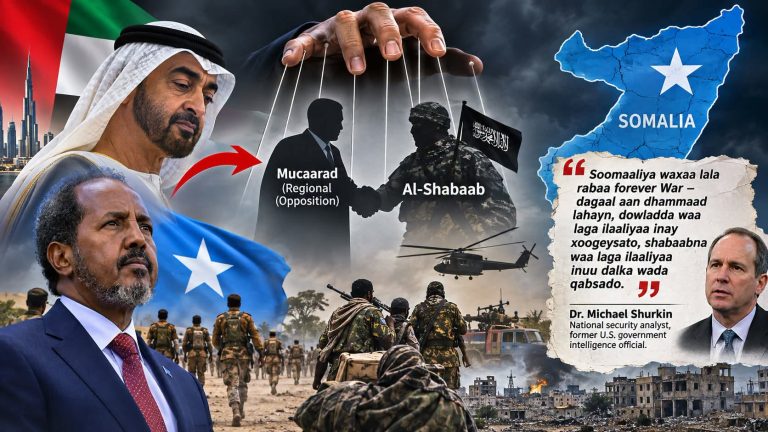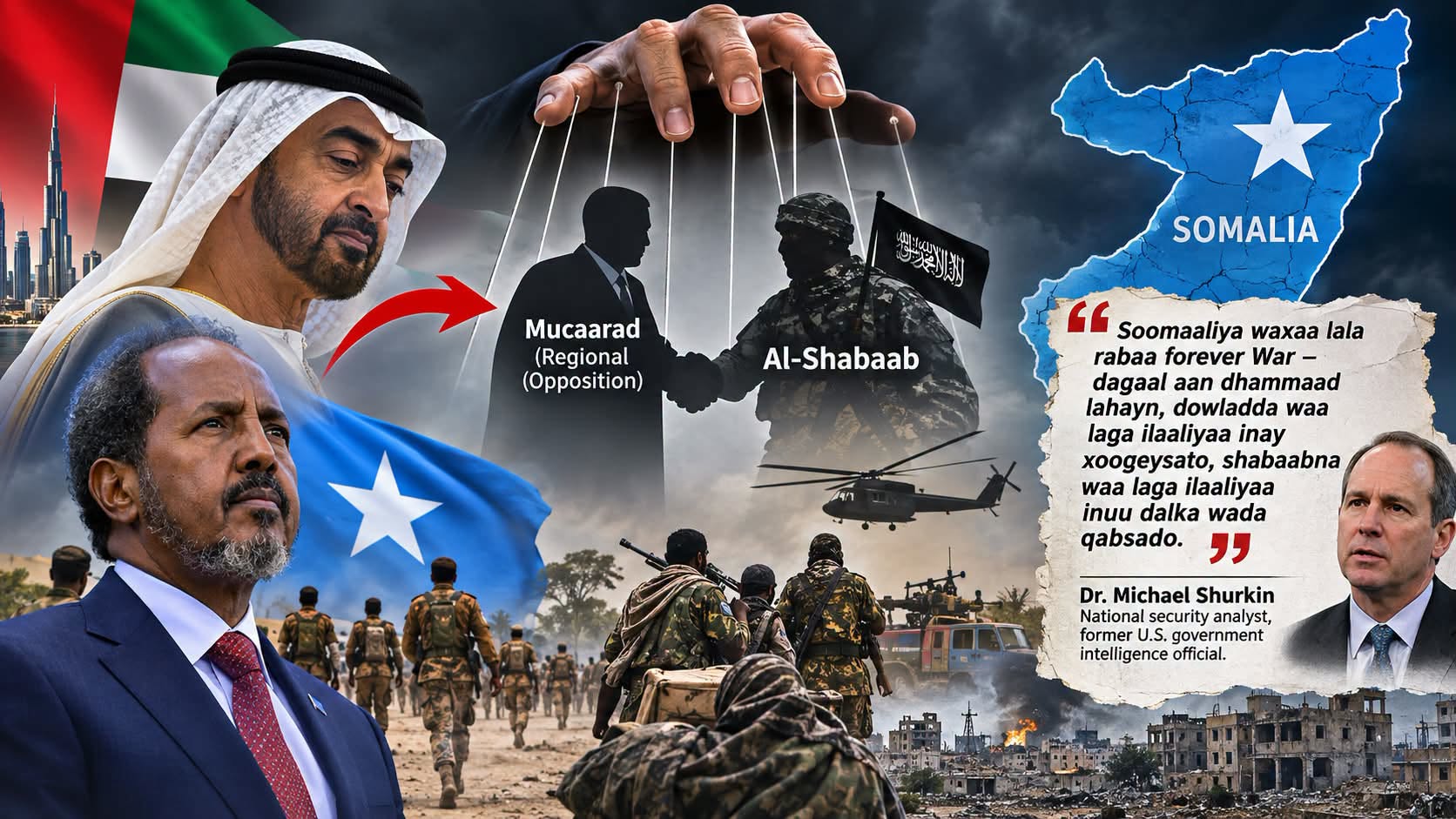
A series of unverified reports alleging that militant group Al-Shabaab is preparing to seize control of Somalia has heightened security concerns, amid claims of a wider foreign-backed scheme to undermine the country’s stability.
Information contained in a report circulating about the alleged plot claims that it was conceived outside Somalia, with members of the political opposition reportedly enlisted to help execute it.
The report identifies meetings allegedly held in Kenya and the United Arab Emirates (UAE), attended by a former president, a former prime minister, lawmakers and two leaders of federal member states. However, it does not provide independently verifiable evidence establishing the identities of all those involved or confirming the alleged agreements.
According to the allegations, the participants agreed to amplify fears of an impending security collapse through coordinated political statements, press conferences and public engagements.
The report further alleges that the scheme originated with individuals linked to Israel’s intelligence agency, Mossad, with the UAE’s intelligence services subsequently involved in its implementation. It links the alleged plan to tensions over Israel’s recognition of Somaliland and Mogadishu’s opposition to what it considers Emirati interference in Somalia’s internal affairs.
Alleged phases of the plan
The alleged scheme is said to have three main components: sustained public criticism of the federal government by opposition figures, activities intended to undermine security in selected regions, particularly South West State and Hirshabelle, and attempts to establish cooperation with Al-Shabaab.
The report claims that some of these activities have already taken place, pointing to regular opposition press conferences and statements as possible indications of a coordinated campaign. It also alleges that investigations have uncovered contacts between opposition figures and the militant group.
These claims, however, have not been independently substantiated, and no conclusive evidence has been made public to establish the alleged links.
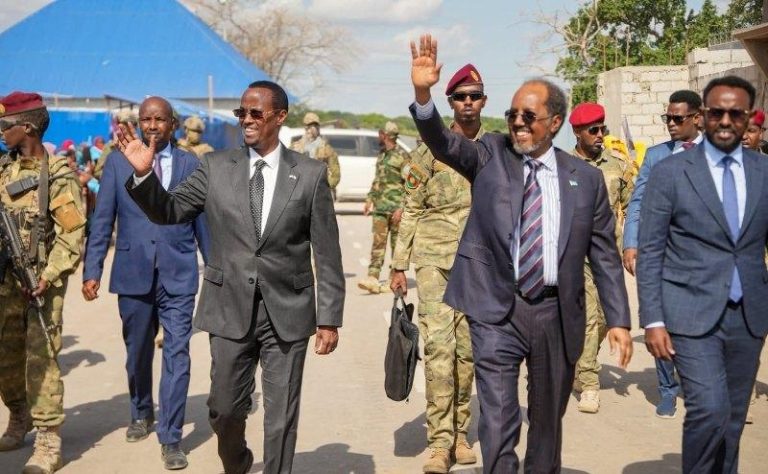
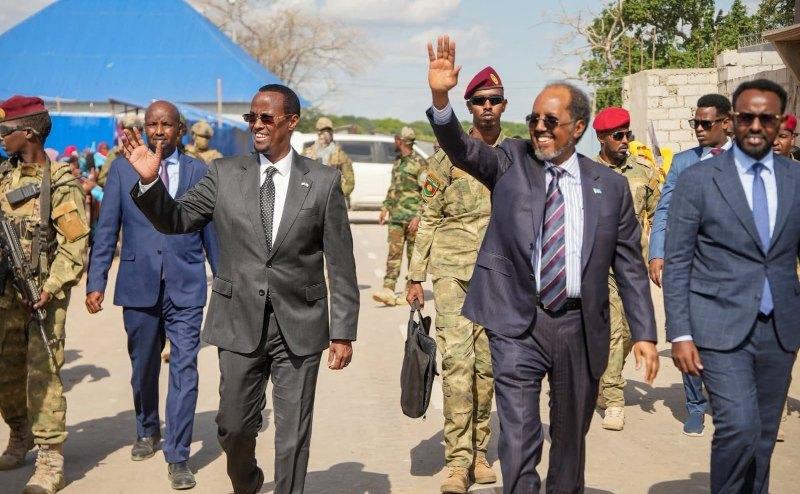
Somalia’s Defence Minister, Ahmed Moallim Fiqi, previously accused opposition figures of holding meetings in the UAE aimed at destabilising the country, adding to the growing political tensions between Mogadishu and sections of the opposition.
Strategic and regional implications
The alleged plot is said to target major government programmes, including oil exploration and production, the campaign against Al-Shabaab, preparations for direct elections and efforts to preserve Somalia’s territorial integrity.
The allegations also echo claims made in an earlier report by Baraza Brief, which accused the UAE of offering Uganda nearly $500 million to withdraw its troops from Somalia. Citing unnamed local sources, the publication claimed the proposed financial package would compensate Uganda for revenue earned through its participation in the African Union-supported security mission, alongside investment and development commitments.
The report suggested that a Ugandan withdrawal would weaken Somalia’s security arrangements and potentially disrupt Turkish-backed projects. These claims have not been independently verified.
The allegations come at a sensitive moment for Somalia, as the federal government pursues security reforms, economic development and political transition while navigating internal divisions and competing regional interests.
Whether the reported scheme exists in the form alleged remains unclear. Nevertheless, the claims underscore the fragile security environment and the need for credible evidence, transparency and political dialogue to safeguard Somalia’s stability and sovereignty.